Search

YOUR GROUPS IN ETHIOPIA

Block

YOUR GROUPS IN ETHIOPIA

386731064_6602645386515003_229898627451134087_n-500x500
420107796_6979287725517432_7410331659249858157_n-500x500
381682786_6542701769176032_2809897958941221851_n-500x500

We specialize in creating fully customized tours, designed to meet the specific needs and preferences of our partners. No matter the type of tour you are looking for, we are equipped to design any itinerary, tailored to your desired travel style. From tailor-made active and adventure circuits to cultural tours that dive deep into Peru’s rich history, to exploration trips into the heart of the Amazon jungle, we offer experiences for every type of traveler. Whether you’re looking for a luxury cruise or a slow tourism experience in the country’s hidden gems, we can craft the perfect journey for you. For those seeking exclusive experiences, we offer VIP and luxury circuits, where every detail is designed for maximum comfort and elegance. We also specialize in mixed itineraries, combining cultural immersion with nature adventures for a truly diverse and enriching experience. Additional options include photo safaris, gastronomic tours in historic cities, or mountain expeditions for hiking and climbing enthusiasts.
In the heart of Ethiopia, where the landscapes stretch endlessly into the horizon, unfolds a story that resonates with the deepest emotions. It is a story of resilience, etched into the lives of the Ethiopian people who have endured trials and hardships, yet emerged stronger and more united than ever. Their spirit flows like the mighty Blue Nile, forging a determined path through the rugged terrain of life’s challenges.

The story takes us through the bustling streets of Addis Ababa, where the city’s energy pulses through its inhabitants. Amidst the hustle and bustle, there is a tangible sense of hope and ambition—young minds brimming with dreams of a brighter tomorrow, poised to contribute to the growth and prosperity of their beloved nation. It is a tale of aspiration, where every step forward stands as a testament to the enduring optimism that fuels the Ethiopian dream.

As we traverse Ethiopia’s diverse landscapes, from the ancient marvels of Lalibela to the lush fields of the Omo Valley, we witness the profound connection between the people and their land. It is a love story between a nation and its natural beauty—a bond that transcends time and hardship. With every sunrise over the Simien Mountains and every trickle of water from the Awash River, Ethiopia reminds us of the deep emotional ties that connect humanity to the wonders of our planet.

We embark on a true expedition: 15 days of unforgettable experiences alongside local tribes, including visits to the famous sulfuric lakes. We will witness the astonishing Danakil Depression and explore volcanic landscapes that seem otherworldly, a remote corner of Ethiopia that feels like stepping into another planet. Even more extraordinary, we sleep under the open sky near the Erta Ale volcano. This adventure is nothing short of a journey into another world.

343300281_577408684457391_1649498052672702309_n-500x500
412973599_6882343325211873_5078235945754093503_n-500x500
420127014_6979287652184106_2291519609588961806_n-500x500

I’ve put together the most comprehensive Ethiopia tour! There are so many experiences to highlight from the days spent here, so here are just some of the adventure’s top highlights:

* Explore the heart of Addis Ababa, including the National Museum, Trinity Cathedral, and the bustling Mercato.
* Enjoy panoramic views of the city from the summit of Mount Entoto.
* Visit museums, including the site where the famous Ethiopian ancestor “Lucy” is housed—believed not only to be the ancestor of Ethiopians but of all humans.
* Discover the Zoma Museum, a conscious art institution in Addis Ababa that bridges artists and architects worldwide to create cutting-edge ecological art and architecture.*
*Visit Ethiopian Orthodox churches, rich with historical and cultural treasures, stained-glass windows, and stunning gardens.
* Explore handwoven textile shops and Sabahar, an Ethiopian company producing unique cotton and silk textiles crafted by hand.
* Delight in Ethiopian music—from traditional Masinko performances (a one-stringed instrument) to Ethio-jazz nights.
* Marvel at the magnificent Blue Nile Falls and the monasteries surrounding Lake Tana.
* Explore the 17th-century royal city of Gondar and the nearby Simien Mountains.
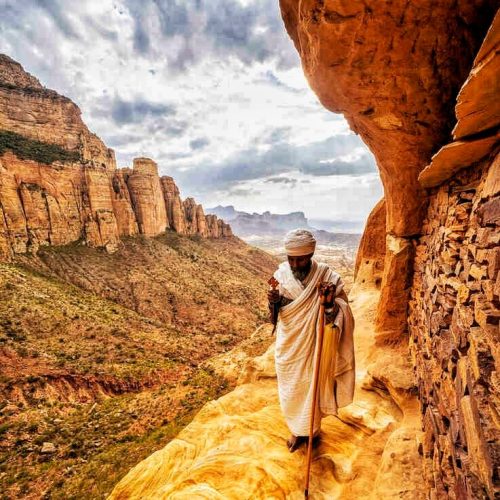
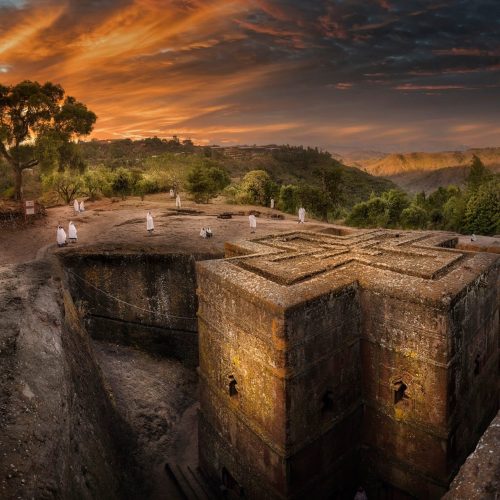
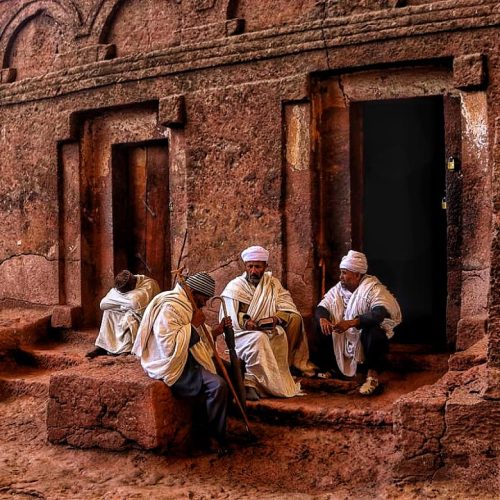
* Take a tour through the vividly painted rock-hewn churches of Lalibela.
* Visit Mount Entoto, the “lungs of Addis Ababa,” once home to Emperor Menelik’s palace and royal court in the 1800s.
* Explore the Danakil Depression and the sulfur pools of Dallol.
* Trek to Erta Ale, one of Ethiopia’s most captivating and challenging natural attractions; Erta Ale and Dallol rank among the most bizarre and fascinating places on Earth.
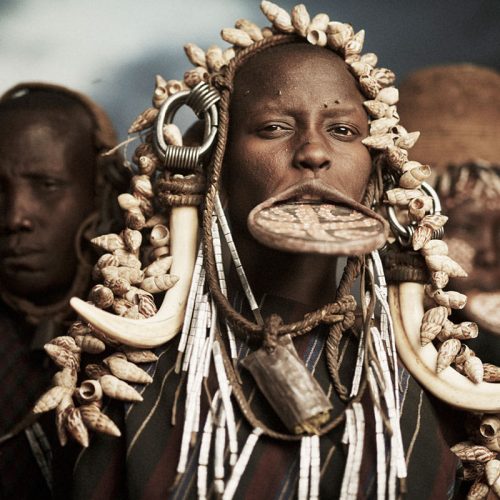
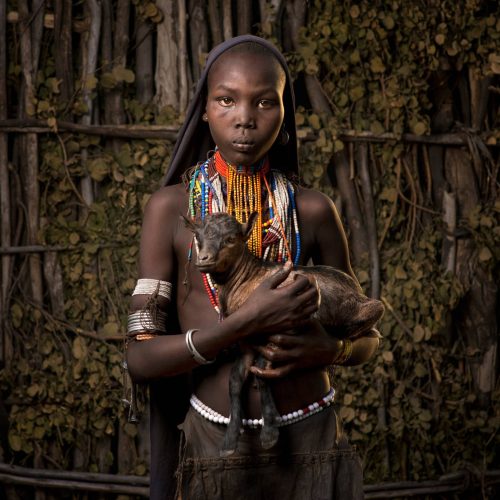
* Visit local villages of the Omo Valley tribes and meet the tribal elders.
* Experience a “slice” of tribal life by participating in daily tasks such as farming, weaving, food preparation, hunting, and harvesting.
* This tour is a complete immersion into Ethiopia’s culture, nature, history, and people—a journey that is as diverse as it is unforgettable.

420106062_6979287368850801_5951156788416362923_n-500x500
387209142_6602644976515044_6161126356491619775_n-500x500
420105439_6979287552184116_1355369072991834185_n-500x500

PROGRAM

DAY 1

Flight Addis Abeba.

DAY 2

Addis Ababa, the “New Flower,” is the third-highest capital city in the world, located at 3,000 meters above sea level, offering cool temperatures and plenty of fresh mountain air. The city is charming, with fascinating museums and home to one of Africa’s largest open-air markets, Mercato. Addis Ababa is also Africa’s diplomatic capital, hosting the headquarters of the African Union and the United Nations Economic Commissions for Africa.

After a short refresh, we begin with a visit to the National Museum of Archaeology, one of the most important museums in sub-Saharan Africa. Here, the 3.5-million-year-old remains of Lucy are displayed—believed to be the ancestor of all humans. The museum features numerous ancient exhibits reflecting Ethiopia’s importance as the “Cradle of Humanity,” including war artifacts such as crowns, weapons, and images of heroes and kings.

Next, we visit the Holy Trinity Cathedral, built in 1945, renowned for its stunning stained-glass windows depicting scenes from the Old and New Testaments. The cathedral also houses the tombs of the late emperor and his family, as well as the grave of English feminist Sylvia Pankhurst.

We continue with a tour of Mercato, Africa’s largest open-air market, where nearly everything imaginable is for sale—from animals to computers. Closed on Sundays, the market offers an enormous selection of Ethiopian arts and crafts for visitors skilled in bargaining.

For those with extra energy, the evening includes a jazz experience at one of Addis Ababa’s best venues. African Jazz Village is an intimate setting to enjoy great musicians, including the father of Ethiopian jazz, Dr. Mulatu Astatke. Reservations depend on how quickly the group forms. Dinner concludes the day.

a „Floarea Nouă” este a treia cea mai înaltă capitală din lume. Este situat la 3.000 de metri deasupra nivelului mării, ceea ce oferă temperaturi înalte și mult aer proaspăt de munte. Addis Abeba este un oraș plăcut, cu muzee interesante și una dintre cele mai mari piețe în aer liber din Africa, „Mercato”. Addis Abeba este capitala diplomatică a Africii, cu sediul Organizației Unității Africane și al Comisiilor Economice ale Națiunilor Unite pentru Africa. Dupa un scurt refresh, vom incepe cu o vizită la Muzeul Național de Arheologie; se numără printre cele mai importante muzee din Africa sub-Sahara. A găzduit oasele vechi de 3,5 milioane de ani ale lui Lucy. Se crede că Lucy este strămoșul oricărui tip uman. Are o mulțime de exponate antice care reflectă importanța Etiopiei, considerata ca fiind „Leagănul omenirii”. În încăperea sa istorică, se găsesc articole purtate în războaie, cum ar fi coroane, arme și imagini cu eroi și regi din timpul războiului. Catedrala Sfânta Treime, construită în 1945, această catedrală este renumită pentru ferestrele sale uimitoare cu vitralii care înfățișează scene din Vechiul și Noul Testament ale Sfintei Biblii. Catedrala Trinității găzduiește, de asemenea, mormintele regretatului împărat și ale familiei sale, precum și mormântul feministei engleze Sylvia Pankhurst. Vizită la Merkato, cea mai mare piață deschisă din Africa, unde practic toate bunurile posibile sunt în vânzare, de la animale la computere. Este închis duminica și pentru un vizitator care se pricepe la negocieri, există o selecție uriașă de arte și meșteșuguri etiopiene. Pentru cine mai are energie, seara de jazz într-unul dintre cele mai bune locuri din Addis Abeba. African Jazz Village este un loc intim din Addis Abeba pentru a vă bucura de muzicieni măreți, inclusiv de părintele etern al jazzului etiopian, Dr. Mulatu Astateke. Rezervarea depinde de rapiditatea cu care se formeaza grupul. Cina.

DAY 3

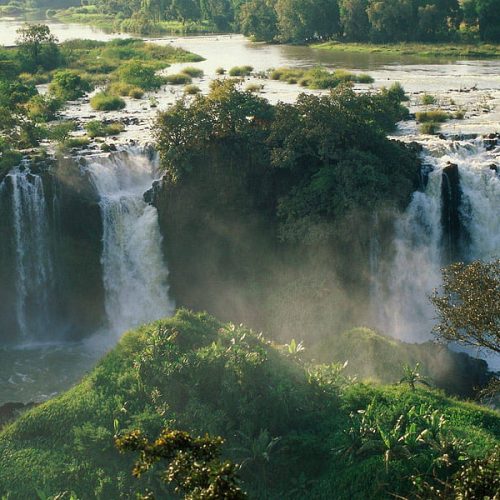
After an early breakfast, transfer to Addis Abeba (Bole) international airport for the flight to Bahir Dar city. Bahir Dar is the capital of the Amhara region, located on the shores of Lake Tana, the largest lake in the country. Bahir Dar is one of the best-planned cities in Ethiopia. The name “Bahir Dar” means “near the sea.” After check-in at the hotel, we head to the magnificent Blue Nile Falls, “Tiss Isat” (smoking water). The falls are 328 feet wide, and the water drops from a height of 150 feet, creating a dazzling spray and rainbow, sustaining lush tropical vegetation where many monkeys and colorful birds live. The Blue Nile Falls are located 32 km from the city, and it is possible to walk approximately 30 minutes to the base of the falls. We will meet locals for a short coffee break. Cotton processing is the most well-known activity in this area. This is the most dramatic waterfall on the Nile River.

After lunch, we explore the invaluable monasteries from the 12th–14th centuries on Lake Tana during a cruise to the lush Zege Peninsula, witnessing Ethiopia’s ancient connections through the Tankwa papyrus boats, similar to those of ancient Egypt. We visit Azuwa Maryam Monastery, with its round thatched roof, one of the most aesthetically appealing churches on the Zege Peninsula. After an approx. 25-minute walk, we arrive at one of the largest monasteries in the region, Ura Kidane Mehret, renowned for its impressive and psychedelic murals that cover the curved walls. This monastery is one of the most accessible in the area and the most popular. Nestled behind tall palm trees and rich coffee farms, the monastery features vibrant frescoes depicting scenes from Ethiopian folklore and Christianity. Both men and women are allowed entry, and there is a small on-site museum, the Zege Satekela Museum, showcasing handcrafted tools and musical instruments still used today.

We will enjoy a spectacular view of Bezawit Hill and the Bahir Dar Agelgil open-air market, where we will meet local people. In the evening, there will be a family-style dinner featuring traditional Ethiopian dishes, prepared with group participation, including shopping at local markets, cooking, and serving. Organic fresh ingredients, halal options, and steamed vegetables are included. The experience of Ethiopian cuisine—the colors, presentation, and the sensation of the bread—is truly memorable and will stay with you for decades.

DAY 4

After breakfast, we will drive approximately 3 hours (185 km) to the city of Gondar, enjoying the picturesque views along the way and the local houses. Gondar, known as the “Camelot of Africa,” is a medieval royal city distinguished by its castles, imperial complex, and churches, especially Debre Berhan Selassie, whose walls and ceilings are completely covered with murals—the angel faces on the ceiling have become a common motif in Ethiopian design. After an optional lunch, we will visit the main sights of Gondar.

Gondar was founded by Emperor Fasiladas in 1636 as the royal capital of Ethiopia. For several centuries, Ethiopia was governed from a succession of temporary capitals, and Fasiladas recognized that a permanent capital could help ensure greater internal stability. By the time of Fasiladas’s death in 1667, Gondar was the largest and most important city in the empire. It remained Ethiopia’s capital for 250 years, though its status was largely diminished from the late 18th century onward. Today, Gondar is one of Ethiopia’s largest and most impressive cities, with its royal enclosure protected by walls.

The most famous monuments in Gondar are the exceptionally well-preserved castles from the 17th century. The largest and best-maintained is King Fasilidas’s castle, a stone construction with rounded turrets and wooden balconies. The king also built a remarkable bath about a mile outside the city, known as the “Bath of Delight.” Fasil Bath is the central scene for the annual Timkat festival celebrated by thousands of Ethiopians each January. The entire complex is unique in Ethiopia and distinct from anything else in Africa.

We will visit the Royal Enclosure, or Fasil Ghebbi, which includes the castles of various Gondar emperors, including Fasilidas’s palace and the Church of Quskuam, believed to have been the home of the famous explorer James Bruce in the 1770s. A short 2 km drive from the city center will take us to King Fasilidas’s bath, which now serves as the central stage for the Timkat (Epiphany) festival in Gondar.

In the evening, we will enjoy traditional Ethiopian music at Four Sisters in Gondar, a famous Azmari house for indigenous Ethiopian songs. Young couples, a man playing the Masinko (a stringed instrument), and a woman will perform, and if you like, you will have the chance to try local dances.

Meals included: breakfast and dinner.

DAY 5

Early in the morning, we leave the hotel and head toward the magnificent Simien Mountains, a national park in Gondar. After approximately 2 hours by coach, we arrive at the Simien Mountains, a dramatic volcanic landscape and a UNESCO World Heritage site, adorned with exceptional scenery and a true wildlife sanctuary, home to species such as the Ibex, red fox, and Gelada baboons, also known as the “bleeding-heart” baboons, which can be encountered in these areas.

We will visit Sankaber, the first viewpoint in the Simien Mountains, offering some of the most spectacular mountain landscapes in Ethiopia. Here, we will observe the Gelada baboons and their daily habits. A short walk will take us to a nearby waterfall across mildly rugged terrain. Optional: lunch can be enjoyed as a picnic in a picturesque valley.

On the way back to Gondar, we will visit the Ploughshare Crafts Training Center for Women, located 5 km from Gondar. This center supports disadvantaged women in preserving local traditions in pottery, weaving, and Amhara basketry. Founded in 1993, its mission is to assist single mothers who have lost their husbands due to HIV/AIDS, war, natural disasters, or divorce.

We will also visit the Ras Gimb Museum, an attractive palace likely built in the 17th century, which once served as a refuge for Emperor Haile Selassie, a residence for Italian generals, and even housed a torture chamber during the Derg, the 20th-century Ethiopian military government.

We return to Gondar for dinner and overnight stay.

Meals included: breakfast and dinner.

DAY 6

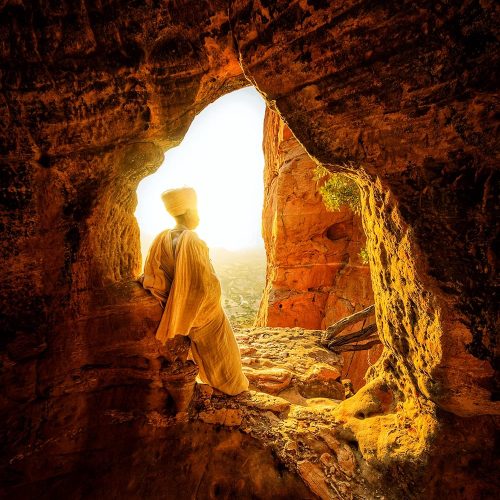
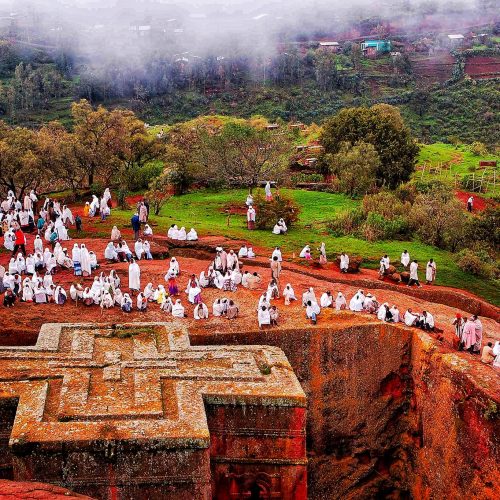
After breakfast, we will be transferred to the airport for a flight to Lalibela. Lalibela is a small town that hosts one of the most astonishing sacred sites in the world, featuring eleven medieval rock-hewn churches, each carved entirely from a single piece of stone. Known as the “New Jerusalem,” Lalibela was built by King Lalibela “with the help of angels” in the 12th century and is a UNESCO World Heritage site.

Perched among rugged mountains and vast rocky valleys, Lalibela has a cathedral-like grandeur. Some of the individual churches are believed to predate King Lalibela’s reign by five centuries. The churches in the southeastern group include Bet Gebriel-Rafael, Bet Abba Libanos, Bet Lehem, Bet Emanuel, and Bet Mercurios. According to legend, Bet Abba Libanos was built overnight by Lalibela’s wife, Meskel Kebre, assisted by a group of angels.

We will also explore the local markets in Lalibela, where colorful offerings and a wide variety of goods can be found. Guests will have the opportunity to attend a traditional Ethiopian coffee ceremony, an integral part of the country’s social and cultural life. Participating in a coffee ceremony is considered a gesture of friendship and respect, exemplifying Ethiopian hospitality.

We return to the hotel for dinner and rest.

Meals included: breakfast and dinner.

DAY 7

After breakfast, we will visit the rock-hewn church of Yimrehane Kirstos, located 40 km from Lalibela. This church was built by King Yimrehane Kirstos before the reign of King Lalibela. The church is constructed inside a cave in the Axumite style, similar to the church at Debre Damo, featuring alternating levels of wood and stone.

If we are lucky and arrive on the right day, we may witness the annual celebration of King Yimrehane Kirstos and Saint Yimrehane Kirstos, attended by tens of thousands of pilgrims from across Ethiopia. It is one of Lalibela’s most joyful annual pilgrimages. The gathering is wrapped in white shawls, and with great devotion, participants join the priests in singing and dancing around the church to the powerful rhythm of drums.

After visiting the church, we will be transferred to the airport for a flight back to Addis Ababa, and then onward to Semera. In Semera, we will obtain permits to visit the Danakil Depression and meet our escorted guide for the journey, followed by check-in at the hotel for rest.

Meals included: breakfast and dinner.

DAY 8

After an early breakfast, we will depart for Afdera, a small town on the lakeshore, where we will meet the two policemen who will escort us. From there, we embark on a long journey toward Dallol Hamed Ela, a collection of simple huts at the edge of the world, where the weather is extremely hot!

We will witness a spectacular sunset in Dallol and then settle at the campsite for dinner.

Meals included: breakfast, lunch, and dinner.

DAY 9

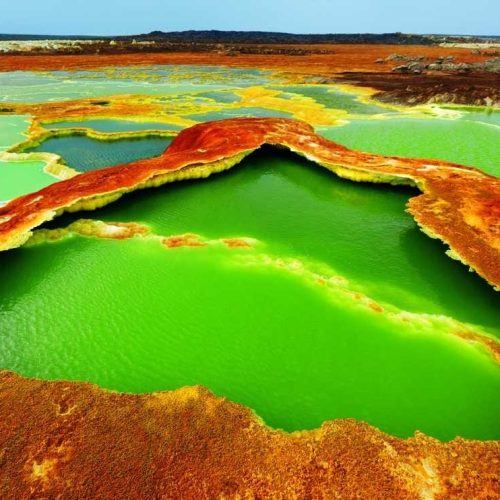
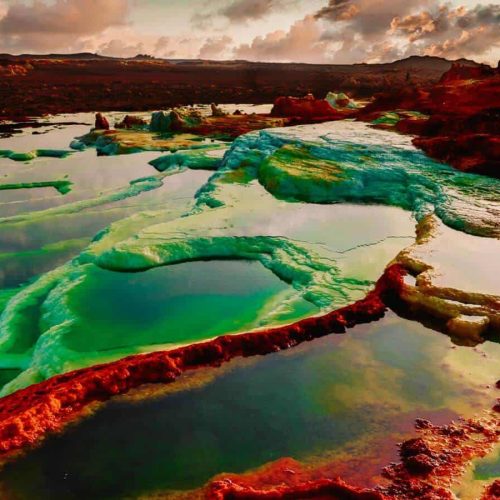
Early in the morning, we will have breakfast and explore the incredible landscapes around Dallol. Dallol is located 116 meters below sea level, making it one of the lowest and hottest places on Earth. The Dallol volcano is covered with a thick layer of salt, yet bizarre salt formations, hundreds of fumaroles (gas vents), and colorful acidic lakes appear across the surface.

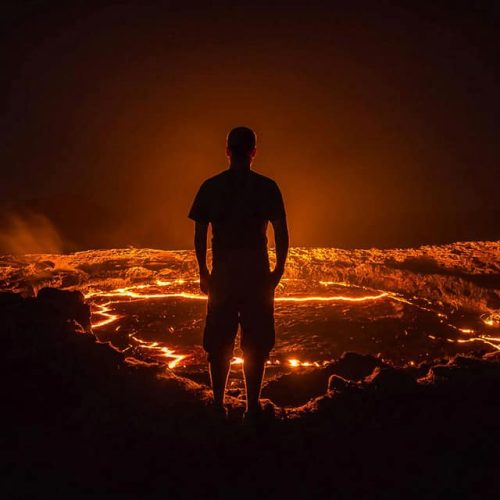
From Dallol, we will head to Erta Ale, stopping after 3–4 hours at Dodom to take camels for the trek to the Erta Ale volcanic eruptions, also known as the Smoking Mountain, a unique site with a constantly erupting lava lake. Erta Ale is one of the best places to study geology, especially volcanic activity. Beyond its adventurous appeal, Erta Ale is an active volcano that leaves a lasting impression, with temperatures exceeding 3000°C.

Dinner will be served around 6:00 PM, followed by the trek to Erta Ale, which takes approximately 30 minutes. The camels will carry all camping materials, food, sleeping pads, and water to the edge of the volcano, where we will spend the night watching the intense molten lava in action. New Erta Ale is part of the volcanic mountain chain and is one of Ethiopia’s most spectacular and challenging natural attractions. It is a shield volcano with a base diameter of 30 km and a roughly 1 km-wide summit caldera. It contains the only permanent lava lake in the world, where we will spend an unforgettable night atop the volcano.

Meals included: breakfast, lunch, and dinner.

DAY 10

Early in the morning, we will depart back to Semera to catch the flight to Addis Ababa, but not before stopping at the great salt lake of Afdera. In the evening, we will have dinner at the hotel in Addis Ababa and relax.

Meals included: breakfast, lunch, and dinner.

DAY 11

After breakfast, we will be transferred to the airport to fly to Jinka. The people of Jinka belong to the Ari community, considered one of the most culturally and economically influential groups in the Omo Valley. Traditionally, they lived independently until the late 19th century, when they were conquered and incorporated into the Ethiopian Empire. Their territories are divided into nine independent units, each led by a local chief and a spiritual leader known as a Babi.

Like most other tribes in the Omo Valley, Ari men were historically allowed to marry multiple women as long as they could support their families. Today, as Christianity spreads, polygamy has become less common, and most Ari men now have only one wife. The people are friendly and will often invite visitors into their villages to witness traditional daily life. Some Ari villages are large, with multiple streets. Their buildings range from typical bamboo-and-thatch huts to more substantial mud-and-clay structures. Cooking and sleeping take place inside the homes. Many of these buildings are decorated with paintings of animals, people, and cultural symbols in natural colors made from charcoal, cow dung, red earth, and water. These murals, known locally as bartsi (“the gift of beauty”), are traditionally created by women. Humorously, Ari men are said to spend most of their time tending the farms and do not paint.

We will visit the South Omo Research Museum and the local villages around Jinka to see daily life, including the preparation of traditional drinks from sorghum, garlic, and corn, as well as pottery-making. Dinner at the hotel and relaxation.

Meals included: breakfast and dinner.

DAY 12

After an early breakfast, we will be transferred to the airport to fly to Jinka. The people of Jinka are part of the Ari community, one of the most culturally and economically influential groups in the Omo Valley. Traditionally, they lived independently until the late 19th century, when they were incorporated into the Ethiopian Empire. Their territories are divided into nine independent units, each led by a local chief and a spiritual leader known as a Babi.

Historically, Ari men could marry multiple wives if they could support their families. Today, with the spread of Christianity, polygamy has become less common, and most Ari men now have only one wife. The people are friendly and often invite visitors into their villages to experience daily life. Some Ari villages are large, with multiple streets. Their homes range from bamboo-and-thatch huts to more substantial mud-and-clay structures, with cooking and sleeping taking place inside. Many of these buildings are decorated with murals of animals, people, and cultural symbols in natural colors made from charcoal, cow dung, red earth, and water. These murals, called bartsi (“the gift of beauty”), are traditionally painted by women, while men focus mainly on farming.

We will visit the South Omo Research Museum and local villages around Jinka to observe daily life, including the preparation of traditional drinks from sorghum, garlic, and corn, and pottery-making. Dinner will be served at the hotel, followed by relaxation.

Meals included: breakfast and dinner.

DAY 13

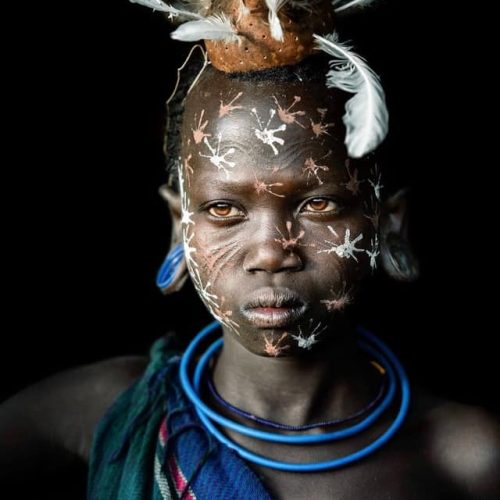
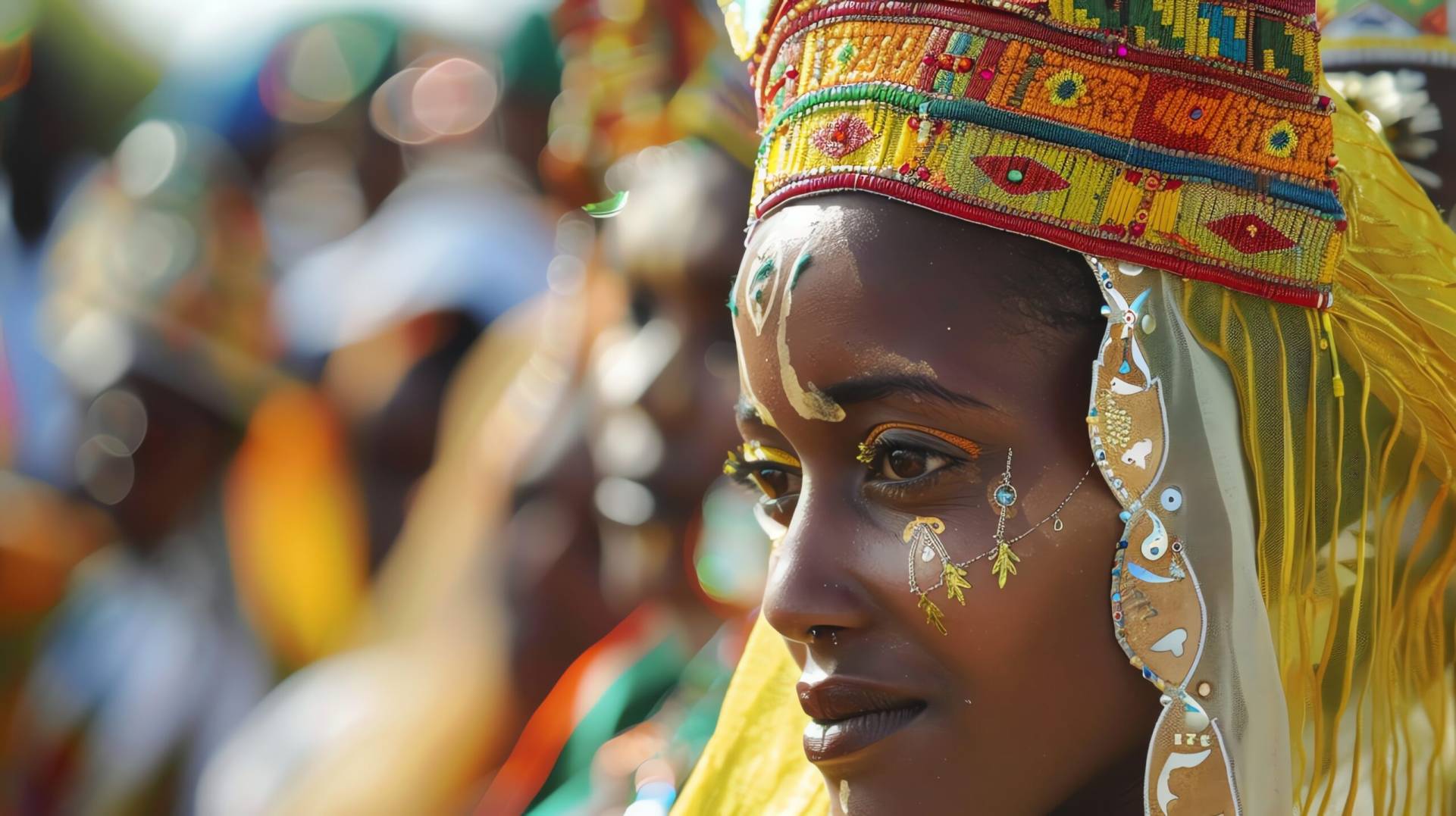
After an early breakfast and receiving a packed lunch, today we will drive to the village of Kolcho and visit the Karo tribes. They are considered masters of body painting, which they apply when preparing for a dance, celebration, or ceremony.

Next, we will head to Konso, a village famous for its terraced hills, recognized by UNESCO, whose inhabitants are known for finely woven textiles and carved totems used to decorate graves. The Konso cultural community is located in the Southern Rift Valley of Ethiopia, with vibrant moringa trees and thatched huts, home to the traditional Konso farmers who grow cereals and cotton and raise cattle and goats. The vast landscape provides a stunning backdrop for Konso’s unique culture.

The Konso villages, known as kantas, are built on hills and surrounded by stone walls for protection. Winding paths through the village lead to the mora, a large thatched meeting hut used by surrounding communities. At night, unmarried young men sleep here to protect the community and learn about life. Konso culture offers visitors many experiences, from cultural performances to craft demonstrations, showing the continuing importance of traditions in daily life.

Konso is the youngest Ethiopian site included in the UNESCO World Heritage list (June 2011). The town of Karat, often referred to as Konso, is a concentrated hilltop settlement with communal houses and village squares. On these squares, the “generation pole” is erected every 18 years to mark a new generation. Well-known villages include Gesergiyo, Mecheke, Kamule, and Dekatu. Surrounding terraces allow for crop cultivation, and their agricultural skills are among the best in Ethiopia.

We will also visit the Waga stelae, carved wooden funerary markers for important Konso individuals. Each Waga symbolizes the hero, his wives, and defeated enemies or dangerous animals they killed.

We will stay overnight in Arba Minch and have dinner.

Meals included: breakfast and dinner.

DAY 14

Arba Minch is home to two of the largest lakes in Ethiopia’s Rift Valley, with stunning landscapes such as the “Bridge of God,” Nechisar National Park with its 40 springs, crocodile farms, the crocodile market, and the Dorze village mountain at the gateway. The city also serves as the southern gateway to the Omo Valley and Konso, making it one of Ethiopia’s top destinations.

After an early breakfast, we will head to Dorze village and visit the homes of the Dorze people in Chencha, about 40 km from the city. The Dorze are renowned cotton weavers, and their tall, beehive-shaped houses are among the most distinctive traditional structures in Africa. The main activities in the region are subsistence farming and weaving. The Shama fabric produced around Chencha is considered the finest in Ethiopia: simple white Gabbi garments and colorful Netalas resembling scarves are sold along the roads. Explore the vibrant Dorze local market decorated with vivid colors.

We will then take a boat trip on Lake Chamo, one of the park’s biggest attractions, famous for the large numbers of hippos and crocodiles visible from close range. The site known as “Azo-Gebeya,” or the Crocodile Market, offers one of the most impressive crocodile displays in Africa.

In the afternoon, we will fly back to Addis Ababa. In the evening, enjoy a cultural night at one of Addis Ababa’s restaurants. Ethiopia is a mosaic of people, with over 80 languages, diverse lifestyles, traditional costumes, and cultural dances. Guests will have the opportunity to experience some of these cultural dances and enjoy a traditional meal accompanied by Tej, a honey-based wine.

Transfer to the airport for departure home.

Meals included: breakfast, lunch, and dinner.

INFORMATION

* 12 nights accommodation as detailed below

* Half board meals, including breakfast and dinner with a soft drink or bottled water/meal/person.

* Full board (breakfast, lunch and dinner) for camping in the Danakil Depression

* Transfers/Transport: welcome at the airport, assistance with luggage and transport in comfortable air-conditioned vehicles with bottled water.

* Additional 4WD car for the remote part of the program.

* English speaking national guide

* Cultural activities mentioned in the program

* Local taxes

* All necessary local government taxes are included

* Land Cruiser 4WD with a/c transportation for Afar

* All fuel expenses and driver allowances

* All necessary entrance fees and licenses

* Accommodation and all meals specified during the tour

* Local guide service for the Afar region

* Experienced chef and cooking utensils, food, bottled water… camping equipment

* Scouts, accompanying police

* Entrance and sightseeing fees, local guide fees

International and domestic flights (our agency starts purchasing when the minimum group of 10 people is formed – currently the cost of all airline tickets is approximately 1500 euros – reconfirm before purchasing):

* International flights

* Domestic flights:

* Addis Ababa – Bahir Dar

* Gondar – Lalibela

* Lalibela – Semera

* Semera – Addis Ababa

* Addis Ababa – Jinka

* Arba Minch – Addis Ababa

* 2 Luggage: Standard checked luggage 20 kg max + 1 hand luggage 8 kg max

* Visa for Ethiopia

* Insurance coverage for personal loss, injury, illness or damage suffered during your trip. We strongly recommend travel/cancellation insurance.

* Personal expenses: items of a purely personal nature, such as drinks (unless mentioned), laundry, dry cleaning, internet, fax or telephone charges and transfers/excursions or meals, which are not included

* Single supplement

Hotel Bonanza**** (Addis Abeba)
Sky Resort*** (Bahir Dar)
Zoble Resort Hotel*** (Gondar)
Tukul Village Hotel**** (Lalibela)
Leva Hotel *** (Semera)
Hamed Ela Camping (Dallol)
Erta Ale Camping (Erta Ale)
Jinka Resort (Jinka)
Buska Lodge (Turimi)
Dorze Lodge (Arba Minch)
*** ATTENTION! Please do not confuse some of the accommodations with the comfort of 4-star hotels! There are areas where you will stay exclusively in lodges or open-air camps, such as the night spent at the Erta Ale volcano. Set your expectations correctly. Complaints or demands regarding this matter will not be appreciated, so if your comfort zone is an all-inclusive resort in Cyprus, this expedition is not suitable for you.

Most-Dangerous-Destinations-for-the-Daring-Traveler-Danakil-Depression-Ethiopia_Matt_AdobeStock_342475497-500x500
ethiopia-girl-holding-goat-6qnwf8ld40lzse7m-1-500x500
HD-wallpaper-blue-nile-falls-ethiopia-nature-waterfalls-500x500

We provide a full range of travel services, including:

* Private transfers and comfortable transport to suit your needs.
* Accommodation in luxurious hotels or authentic, handpicked lodgings based on your preferences.
* Meals at top restaurants or traditional culinary experiences.
* Personalized activities: hiking, biking, visits to local communities, wildlife and flora observation, craft workshops, and more.
* Entry tickets for iconic attractions or hidden gems.
* Private guiding services in the language of your choice, provided by expert local guides who will share in-depth knowledge of the region’s culture and history.
* 24/7 assistance throughout your entire journey to ensure everything runs smoothly.

Additionally, we are prepared to meet any special requests, whether it’s organizing corporate events or incentive trips in unique locations, or creating exclusive tours for small or large groups. Is a destination filled with wonder and diversity, and we’re here to help you explore it in a completely personalized and unforgettable way. Whether you’re looking for a classic tour or a luxurious experience, there’s nothing we can’t offer. Contact us and let us create the perfect vacation for you!

CONTACT FORM